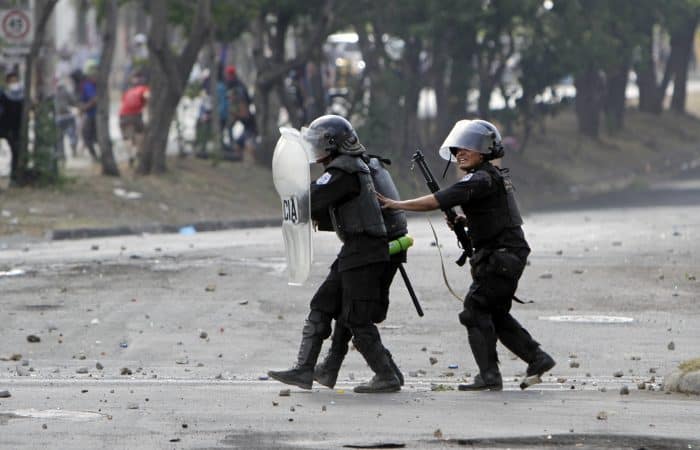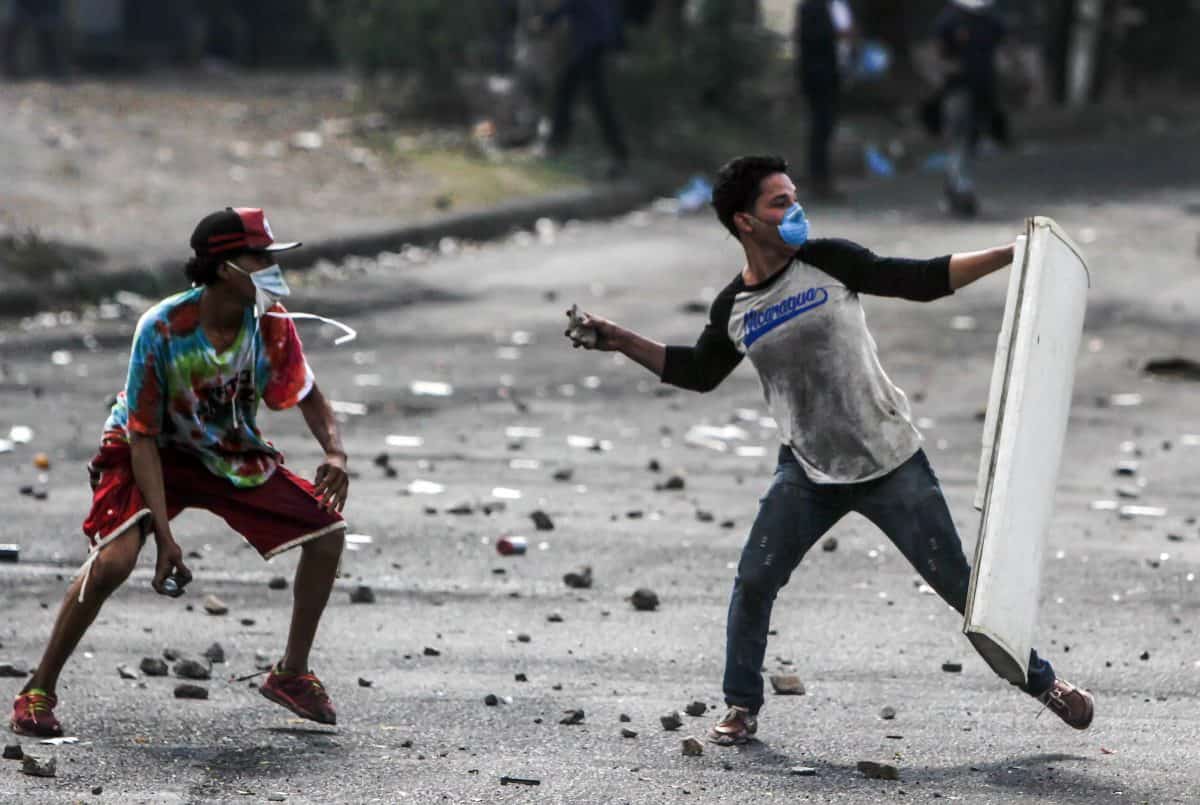
Nicaraguan President Daniel Ortega remained under pressure on Monday despite backing down on a contentious pension reform plan that triggered four days of violence in which 24 people were killed.
The Central American country’s main private business association – which has been an ally of Ortega during his 11 years in power – said it would go ahead with an anti-government march on Monday.
Students who led the protests vowed to keep up their demonstrations until the 72-year-old former Sandinista rebel Ortega and his wife and vice president Rosario Murillo are ousted.
On Sunday, Ortega sought to placate popular fury, announcing he was revoking the pension reform plan that would have increased both employer and employee contributions and reduced benefits in an IMF-backed bid to cap a rising $76 million deficit at the Nicaraguan Social Security Institute (INSS).
The increases were the spark that ignited student protests in Managua last Wednesday. The protests soon spread to other sectors of Nicaraguan society and to other cities and towns.

“The protests are no longer just for the INSS. They are against a government that denies us freedom of expression, freedom of the press and to demonstrate peacefully,” 26-year-old political science student Clifford Ramírez told AFP.
“We believe there is no longer space for dialogue,” he added.
Chaos and looting
Student protesters won support in neighborhoods where residents came out to bang kitchen pots, and from workers and retirees angered by government corruption and the deterioration in their living conditions.
The protests intensified over the weekend as demonstrators erected barricades of burning tires in the streets of the capital Managua, while mobs ransacked shops in various parts of the city.
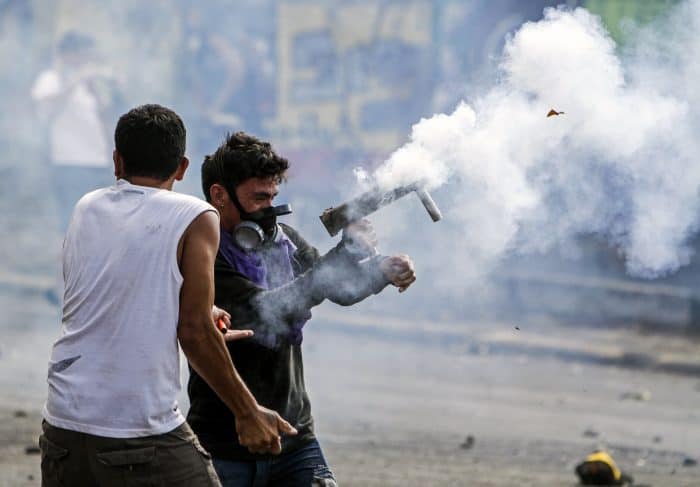
Ortega responded with a crackdown that saw the army deployed, independent media muzzled, journalists assaulted and pro-government demonstrators mobilized to counter the protests.
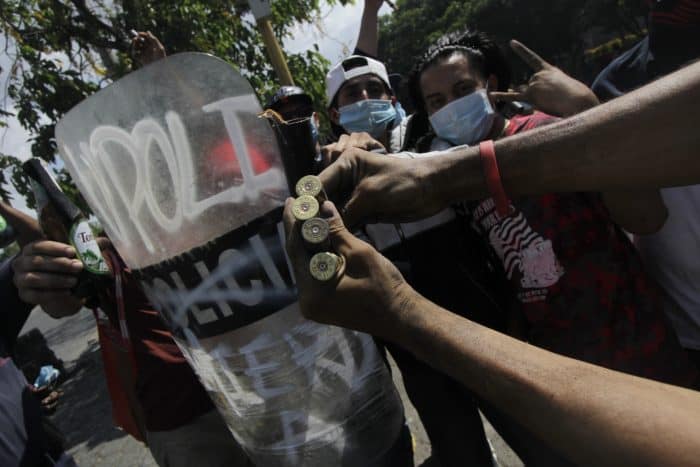
Protesters said the security forces used live fire against them.
A doctor treating those wounded in the clashes, Eyel Almanza, said in an interview that police officers were resorting to deadly force.
“The wounds suffered by students have been from firearms,” he said.
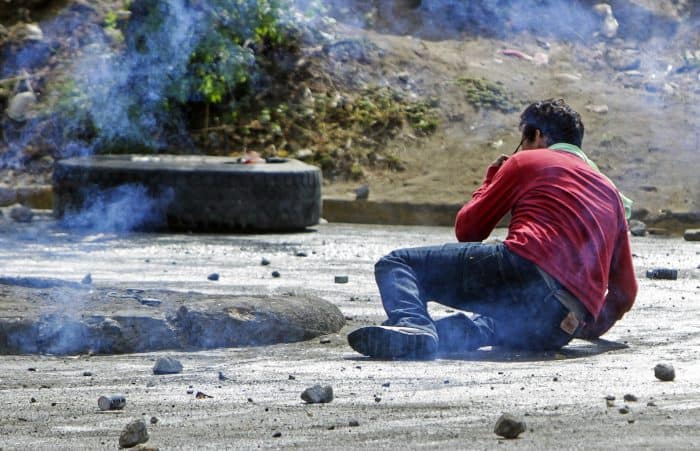
Ortega compared the protesters to gang members who spread terror in Nicaragua’s Latin American neighbors.
The unexpected wave of violence in an otherwise relatively tightly controlled country caused international outrage.
The United States denounced the “excessive force used by police and others,” urging Ortega’s government to allow journalists to work freely.
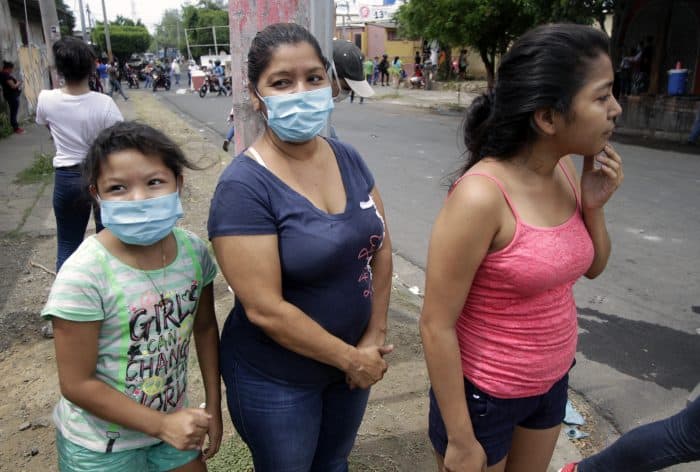
The European Union called the violence “unacceptable.”
“We demand that the Nicaraguan government cease the brutal attacks against the demonstrators and the civilian population,” the Nicaraguan Center for Human Rights said in a joint statement with the International Federation for Human Rights.
Both organizations confirmed that 25 people were killed in the protests, including minors, police officers and members of the Sandinista Youth, mobilized to support the government.
On Saturday, a journalist was shot dead while reporting on the chaos in the Caribbean city of Bluefields.
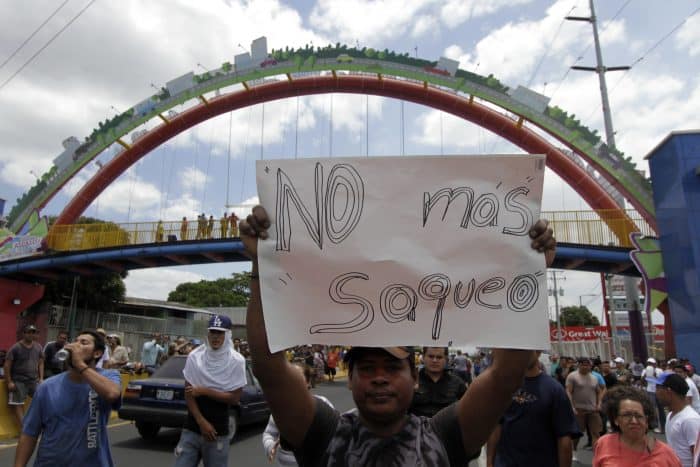
Dialogue rejected
Before his U-turn late Sunday, Ortega had agreed to hold talks with the private sector, only to be rebuffed by business leaders who said there could be no dialogue unless his government “immediately ceases police repression.”
Ramírez said the deaths and censorship during the protests had ended the possibility of resolving the crisis through talks.
“We can no longer accept this government. We are protesting for the Ortega-Murillo couple to leave power,” the student said.
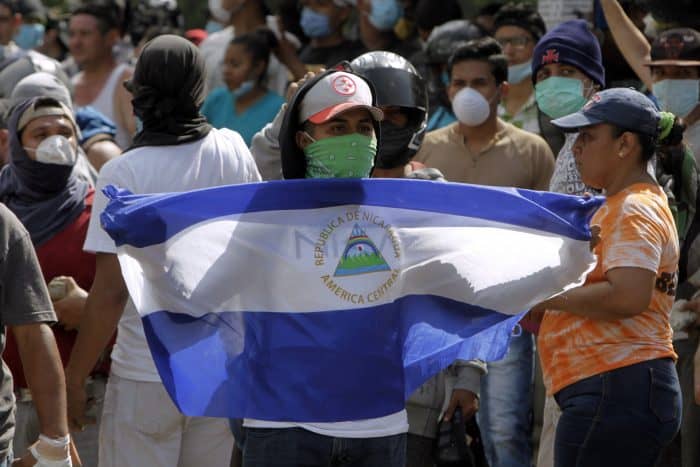
He added that young people who took to the streets do not feel represented by the opposition parties that have in recent years backed Ortega, nor by the business leaders who supported him since he returned to government in 2007.
“Since the Sandinista Revolution in 1979, we’ve had the same political leaders. They don’t let anyone else come in. We want a new leadership who represents the youth,” Ramírez said.