

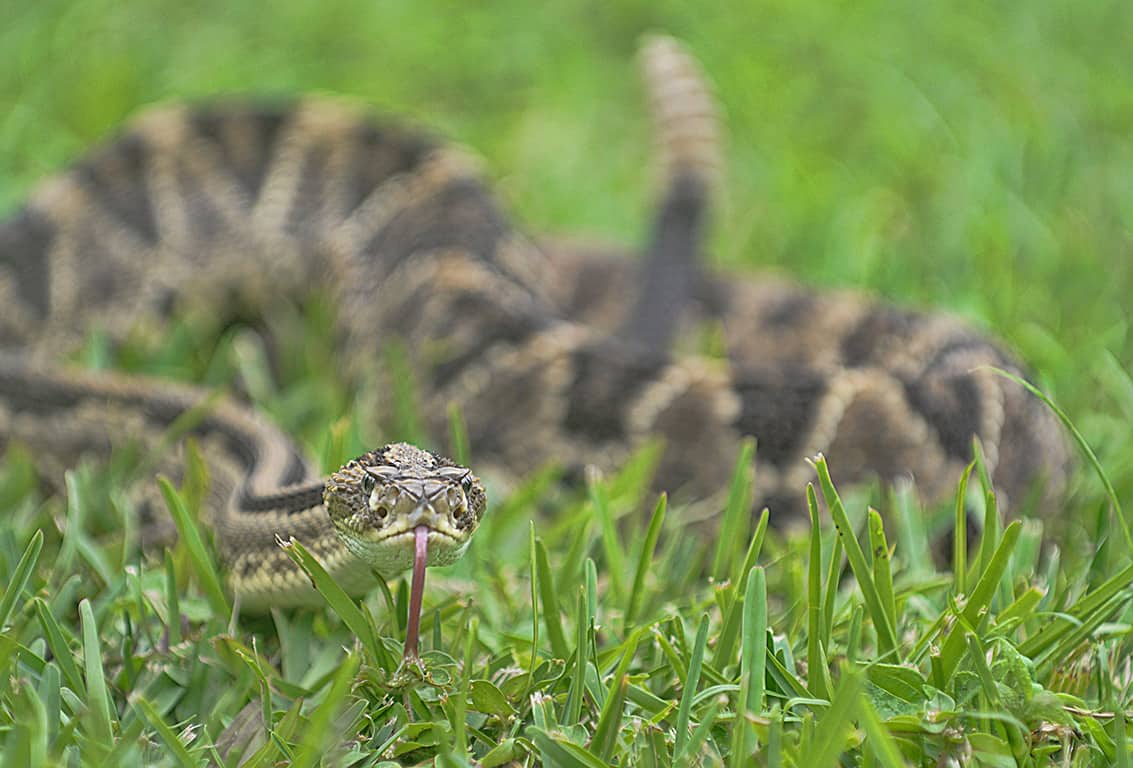
Human muscle tissue can bounce back from almost any type of wound, but venomous snakes can inflict bites that eat away flesh and even kill their victims. Though scientists have developed anti-venom serums to fight off a snakebite infection, they have yet to pinpoint the exact reason that bites cause such extensive tissue damage.
To find out, three experts from the University of Costa Rica’s snake bite research center – the Clodomiro Picado Institute – are examining exactly what makes a snakebite bite.
“In particular we are looking at what starts to happen to muscle tissue immediately after it is exposed to venom that impedes its regeneration,” said Dr. José María Gutiérrez, one of the project’s researchers. “Muscle tissue is built to sustain harm and normally has the ability to regenerate.”
To conduct their experiments, researchers inject venom into rats and muscle cells in the lab and note the immediate reaction in the muscle tissue.
Scientists found that venom damages blood vessels, which provide cells with the oxygen needed to recuperate, and nerve endings, which enable healthy muscles to contract. The most severe damage is caused by small traces of venom that persist in the tissue cells even as the body attempts to clear them out.
These tiny venom remnants are nearly undetectable and can stick to muscle tissue for up to five days after the initial bite. The remaining venom continues to degenerate the muscle until it disappears entirely. Researchers found that over the course of a month, this venom can reduce muscle tissue by up to 60 percent.
The new findings are helping investigators devise new treatments for snakebites that could help reduce scarring and muscle damage. So far, researchers have found little success in formulas to increase vessel growth, but they have seen some muscle regeneration with the use of certain antibiotics.





