

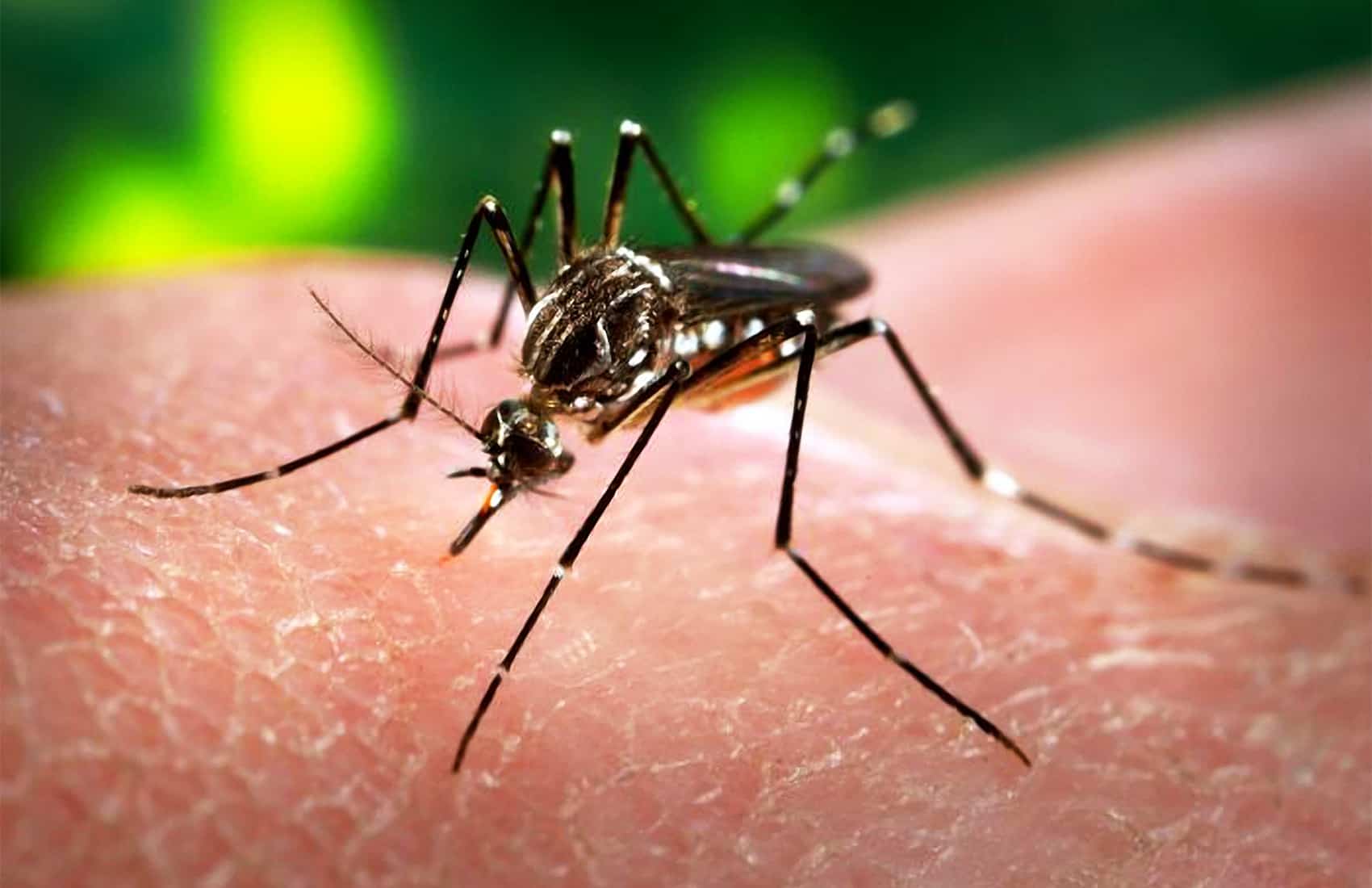
The first case of the mosquito-borne Zika virus has been detected in Costa Rica, health officials announced Tuesday.
The Health Ministry issued a statement confirming the first documented case of Zika virus in the country, detected in a 25-year-old man who contracted the virus while visiting Colombia.
Originally from West Africa, the virus can cause serious birth defects including microcephaly, a condition that causes children to be born with an abnormally small head and incomplete brain development. It’s recent spread to Caribbean and Latin American countries has caused alarm among residents and travelers, and even prompted some governments to encourage women to hold off getting pregnant for the time being.
Costa Rica’s first patient started showing symptoms, which include fever, skin rashes, conjunctivitis, muscle and joint pain, malaise and headaches, on Jan. 22 before he returned to Costa Rica on Jan. 23. He sought medical attention on Jan. 24 at a Costa Rican public hospital, officials reported.
The Zika virus can not spread from person to person, but can spread if a mosquito feeds on an infected person and then bites someone else.
Costa Rica health workers fumigated a 100-meter square area around the patient’s bedroom and interviewed neighbors. Officials said they did not detect anyone in proximity to the man with symptoms compatible with Zika.
Zika spreads through the same mosquitos that carry dengue and chikungunya. According to the World Health Organization, most Zika cases are mild and do not require treatment besides rest, hydration and treating pain and fever with over-the-counter medication. There is no vaccine for Zika.
Pregnant women who contract the virus, however, can be at risk for microcephaly. In Brazil 3,893 cases of microcephaly have been linked to Zika, especially in the northeastern part of the South American country.
El Salvador and Colombia have both asked pregnant women to be especially careful not to get bit by mosquitos. Earlier this week, El Salvador’s health officials went so far as to ask women there to avoid getting pregnant until 2018.
U.S. health authorities have warned pregnant women not to travel to 22 territories in Latin America and the Caribbean to avoid exposure to the Zika virus. Costa Rica, Nicaragua and Belize were the only Central American countries not listed on a Centers for Disease Control travel warning list for Zika virus. At this writing, Costa Rica has not been included in the travel warning list.
The World Health Organization has warned that the virus could spread rapidly throughout the Western Hemisphere, except in Chile and Canada, which have no Aedes mosquitos, the type that carries the disease.
With information from AFP.





