

Environmental groups are outraged by new agreements between the Costa Rican government and the fishing industry which they say will roll back protections for endangered and threatened shark species.
The government says the new measures will guarantee that local fishermen can make a living.
According to a letter outlining the agreements, sent by Presidency Minister Sergio Alfaro to Costa Rican conservation groups, the government will no longer “propose or support” international protections for shark species considered of commercial interest and will urge international couriers that have banned the shipment of shark fins — like UPS and American Airlines — to resume carrying them.
Conservationists say airlines and other couriers are key pieces in the lucrative international shark fin trade, which has contributed to the sharp decline of several shark species.
“This has basically bulletproofed against any other shark species ever being protected,” Randall Arauz, the president of marine conservation group PRETOMA, told The Tico Times. “With these decisions we are not going to be able to make any future conservation progress.”
The government also agreed to re-examine minimum catch size requirements designed to protect fish populations and to support a bill that would allow for the legal return of shrimp trawling, which Costa Rica banned in 2013 because of the severe damage it can cause to ocean environments.
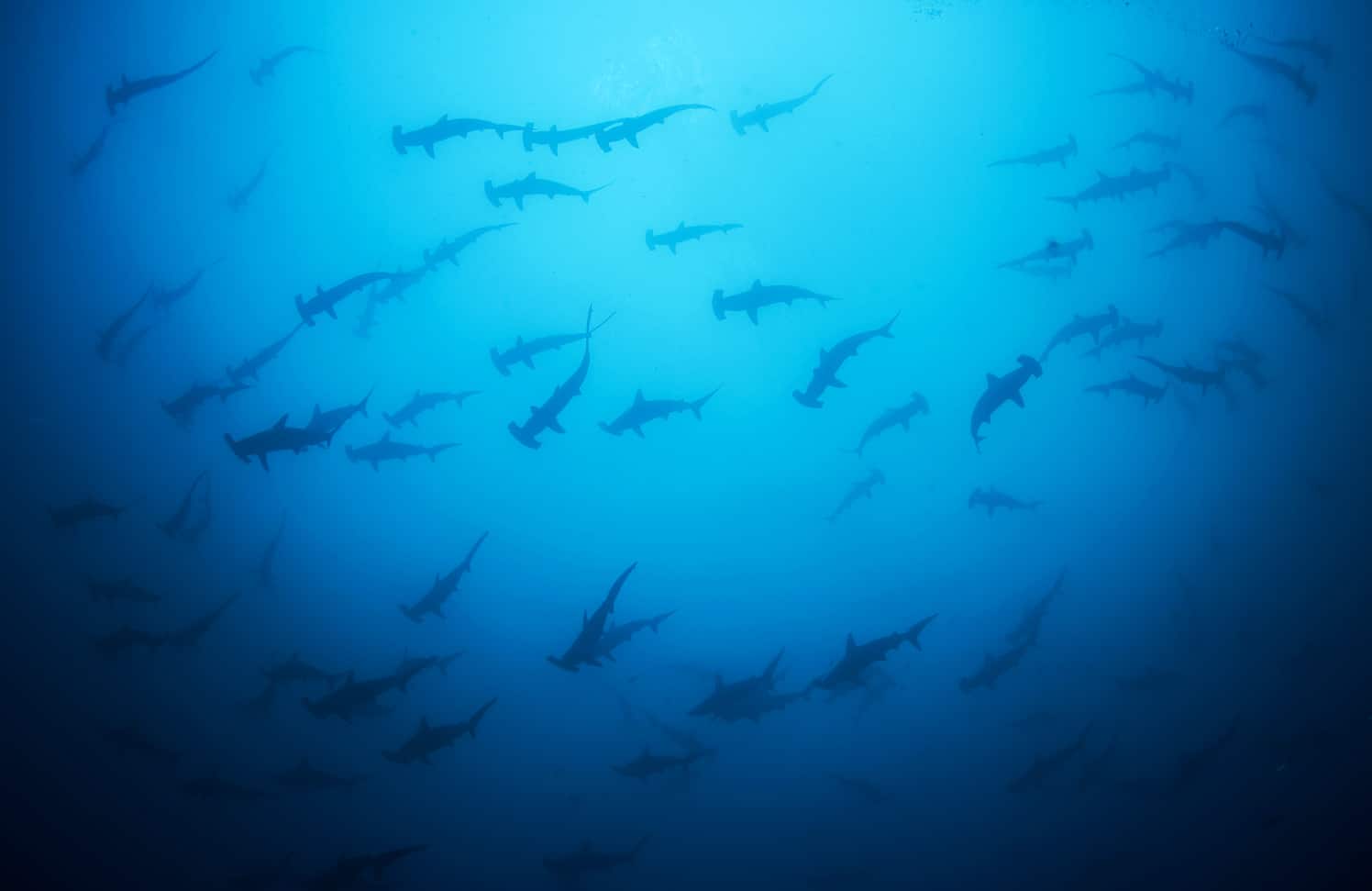
Before these agreements Costa Rica was considered a world leader in ocean conservation and, especially, shark protection. In 2012, Costa Rica banned shark finning and closed the private docks notorious for skirting fishing regulations. More recently, Costa Rica proposed the inclusion of two species of hammerhead sharks in Appendix II of the Convention on International Trade in Endangered Species of Wild Fauna and Flora (CITES) in November. Species listed in Appendix II are to be closely monitored to ensure that trade does not cause the species to become threatened with extinction.
The government insists that the new agreements with the fishing sector don’t mark a shift away from protecting sharks. Vice Minister of Water and Oceans Fernando Mora told The Tico Times that Costa Rica would still support regulations if backed by scientific evidence proving the need for conservation measures.
But that’s not what the government said in its letter to conservationists outlining the new fishing agreement. The letter says flatly: “The government of Costa Rica promises not to propose or support the inclusion of shark species of commercial interest in the CITES convention or in CMS [Convention on the Conservation of Migratory Species of Wild Animals].”
Read the letter from Presidency Minister Alfaro (in Spanish):
[documentcloud url=”http://www.documentcloud.org/documents/2455980-government-fishing-negotiations.html” container=”#DV-viewer-2455980-government-fishing-negotiations”]
Conservationists say that wording leaves even endangered sharks vulnerable.
Still, Mora insisted in an email to The Tico Times that the government is simply broadening its perspective.
“Nothing has changed. Costa Rica continues to hold the position towards both the conservation and utilization of resources,” Mora wrote. “What has changed is the visibility of certain issues that we weren’t considering before.”
The main issue, said Mora, is the growing popularity of shark meat in the local market, which has made sharks more valuable to local fishermen. In the past, sharks were caught primarily for their fins, which fetched high prices in Asian markets due to the popularity of shark-fin soup, a delicacy. With Tico palates now accustomed to the taste of shark meat, shark is sold and used locally in its entirety, Mora said.
“What the government is looking to guarantee is harmony between conservation and people, sustainable consumption and regulations that are justified scientifically,” Mora said.
Agreements came after violent protests
The controversial concessions made by the Costa Rican government came after violent protests last month by fishermen.
On Sept. 1, thousands of protesters blocked highways near four Costa Rican ports, disturbing traffic flow. Fishermen said the protests were a response to President Luis Guillermo Solís’s failure to release concrete agreements about various fishing regulations.
Near the Daniel Oduber International Airport in Liberia, Guanacaste, several bystanders were attacked and injured by rock-wielding protesters. Protest leaders later apologized for the inconveniences, and Solís sent negotiators to meet with the fishermen the next day.
Details of the meeting came to light last week after marine conservation NGOs released the letter from Presidency Minister Alfaro.
Members of the fishing industry say the new agreements will help alleviate poverty along the country’s coasts by providing jobs and allowing fishing activities to continue.
“What we want are sustainable regulations for families that depend on fishing,” Mauricio González, president of the National Federation of the Fishing Sector, a fishing organization, told The Tico Times. “We want it recognized that we have knowledge that you can’t learn in a school or university. A fisherman knows how to conserve.”
Conservation groups aren’t so sure. They say these new agreements threaten Costa Rica’s position as host of February’s Memorandum of Understanding on the convention of migratory species of sharks. The meeting will bring together signatories of the CMS to discuss potential international agreements for shark protection.
“[The Environment Ministry] doesn’t care about science anymore,” Arauz said. “They’ve decided that the traditional knowledge of fishermen is now better than the best available science about what is detrimental to fish populations.”
See also: Sea Shepherd’s Paul Watson turns to human rights commission to block Costa Rica’s legal chase





