

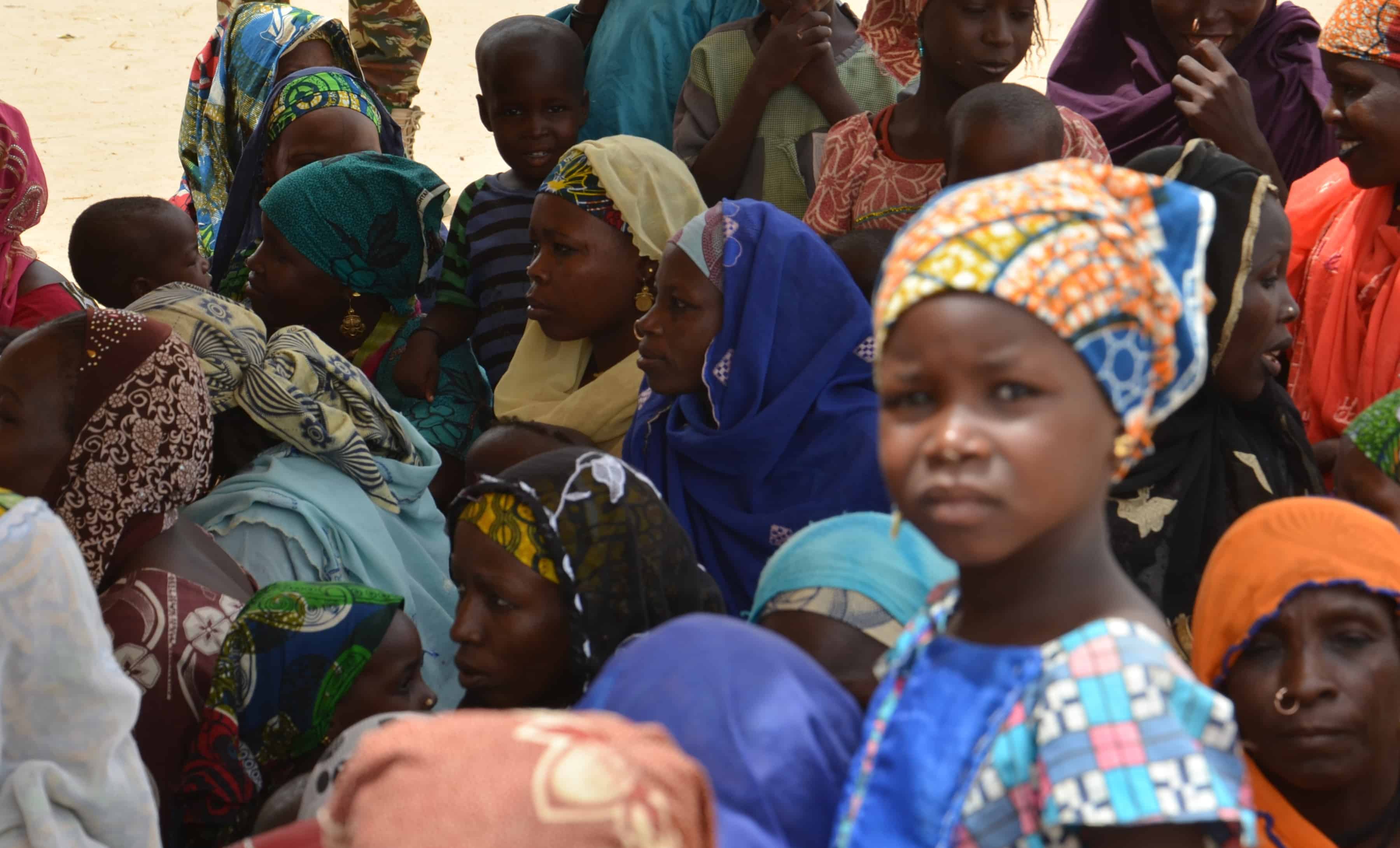
Last Monday marked two weeks since the Nigerian militant group Boko Haram has been holding up to 191 teenage girls hostage with total impunity in the Sambisa Forest. The girls, aged mostly between 16 and 18 years old, haven’t been heard from since April 14, the night before their final exam at the Government Girls Secondary School in the northeastern Nigerian town of Chibok when they woke to the sound of gunmen bashing in windows and setting fire to their classrooms. Within hours, 234 of them were herded into trucks headed for the jungle. As many as 43 managed to escape. Some swung down from trucks in the slow-moving convoy; others ran off when they reached the forest.
The fate of the rest remains a mystery. Each passing day makes it more likely that the girls have been raped, and possibly killed, in captivity. Given Boko Haram’s name, which means “Western education forbidden,” and their agenda to wipe out secular society in mostly Muslim Northern Nigeria, it’s hardly a surprise that the group locks students inside schools and sets them on fire. This, to date, is their largest mass abduction. The girls were taken into the jungle to serve as sex slaves. Yet the abduction of these girls is about much more than finding “cooks and wives.” For Boko Haram, it is about dismantling the fragile existing society by attacking its essential institutions: schools.
With children as their intended victims, Boko Haram is a terrorist organization of the most vicious order. Since they began in 2002, these militants have grown increasingly aggressive. When I visited their stronghold of Maiduguri in 2007, their members pulled out machetes they called cutlasses and nearly killed a Nigerian reporter, the photographer with whom I was traveling, and me. We escaped only after a courageous local elder got into our car and drove us to safety. Today, the group wouldn’t hesitate to kill or to kidnap us.
Boko Haram claims to oppose Western education because it threatens the purity of northern Nigeria’s centuries-old Islamic society. Their atrocities mask a legitimate grievance that most of Nigeria’s 177 million people share. Despite Nigeria’s vast oil wealth, its citizens enjoy few basic government services, including education. Most government schools require tuition, and only those with the means to pay can attend. Schooling is as much a symbol of the hope for a prosperous future as it is a practical means to achieve it. These institutions become easy targets for mobs of disenfranchised young men like the members of Boko Haram.
Boko Haram’s tactics aren’t new. The Taliban targets girls’ schools. The echoes in Africa are equally disturbing. In 1996, Joseph Kony, the founder of the Lord’s Resistance Army who has since been indicted by the International Criminal Court for crimes against humanity, stole 139 schoolgirls from their dormitories at St. Mary’s College in Northern Uganda. A nun, Sister Rachele Fassera, followed the girls into the bush and negotiated the release of all but 30.
Eighteen years later, Kony, who has abducted 30,000 children over two decades, is at large. Despite efforts on behalf of U.S. special operations forces currently helping African militaries to track him, Kony is still somewhere between Central African Republic and Sudan in an area the size of California with roughly 250 followers who were originally his victims. Stolen from home as children, they too were raped and forced to kill family members and fellow children.
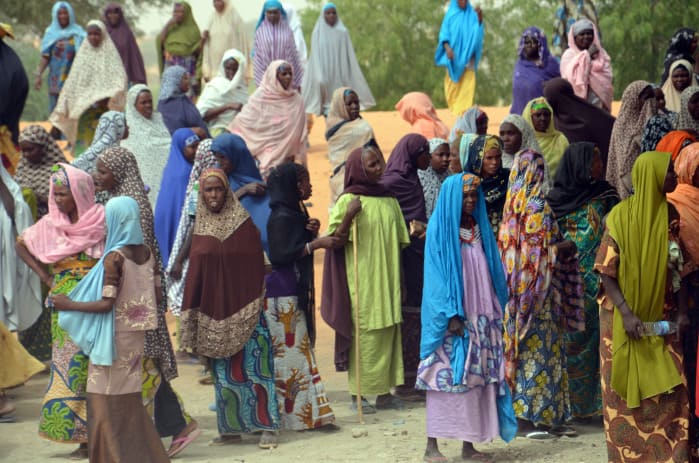
Paradoxically, many of the young members of Boko Haram are also victims. They attack the kind of schools that they never had the chance to attend. Boko Haram’s swelling ranks are filled with boys and young men who attended almajiri schools, West African madrassas. An estimated 23 million boys and girls in Nigeria alone are educated in these Islamic schools. Unlike Nigeria’s government schools, which require payment for tuition, almajiri schooling is free, so even the poorest could attend. The northeastern city of Maiduguri, the center of Boko Haram, used to be a seat of some of the finest Islamic education in Africa. The teachers taught students in exchange for the students’ work on their farms.
As a result of the expansion of the Sahara Desert and the extreme flooding and drought linked to climate change, these teachers can no longer sustain those farms in northern Nigeria where whole villages have been overrun by sand dunes. Instead, the teachers and students have been forced to move south to the slums at the edges of large cities, including Abuja, where instead of tending crops for their teachers, the students are reduced to begging on their behalf. (On April 14, the same day the Chibok girls were taken, Boko Haram killed 70 people in bus bombings in Abuja.) In the slums, many of these boys sleep with their begging bowls under their heads for safekeeping. To make money, corrupt teachers rent out their students to commit acts of violence. In this way, many have become foot soldiers for Boko Haram.

Much like the straggling members of the Lord’s Resistance Army, Boko Haram thrives in places where civil society is failing or totally absent. Both inhabit lawless zones where a combination of a failing state and a shifting climate make it nearly impossible for others to live. Both thrive in chaos and rely on fear. Menacing and destroying civil society is more than symbolic; it is a practical weapon of insurgency.
Although Kony’s disparate band of wayward stragglers poses no strategic threat to the United States, Boko Haram decidedly does. So far, their attacks have been limited to within Nigeria’s borders. But that’s unlikely to remain so. Already, their ideology, funding, and foot soldiers are bleeding over the border into their northern neighbor, Niger. Boko Haram is already linked to a global network of killers, including offshoots of al-Qaida. There are eight direct flights a day from Nigeria to the United States. This time, we ignore the fate of these some 190 young women at our peril.
Griswold’s most recent book is “I Am the Beggar of the World: Contemporary Landays from Afghanistan.”
© 2014, Slate





